When is the right time to walk away from the gambling table?
Understanding Your Limits
One of the most critical aspects of gambling is knowing your limits. Before you even step up to the table, you should have a clear understanding of how much money you are willing to risk. Setting a budget helps create a boundary that can prevent impulsive decisions. By determining a loss limit, you can prevent chasing losses, which often leads to deeper financial troubles.
Moreover, emotional awareness plays a significant role in gambling. If you find yourself feeling frustrated or overly excited, it may be time to take a break. Emotions can cloud judgment, and recognizing when you are no longer thinking clearly is vital. A calm mindset enables better decision-making, which adds to the overall enjoyment of the gaming experience.

Identifying Winning and Losing Streaks
Understanding the nature of winning and losing streaks is essential for responsible gambling. It can be tempting to continue playing when you’re on a winning streak, believing that luck is on your side. However, the odds always return to the house eventually. If you’ve reached a predefined winning goal, it might be best to walk away and enjoy your winnings rather than risk losing them back at the table.
On the flip side, if you are on a losing streak, recognizing the need to step away is equally important. The longer you stay at the table trying to recuperate losses, the higher the risk you face of losing more money. A clear understanding of when to cut your losses can save you from additional strain on your finances and mental well-being.
Time Management and Self-Discipline
Time management is often overlooked in discussions about gambling. It’s easy to lose track of time when you’re engaged in a game. Setting a specific timeframe for your gambling sessions can help maintain control. This strategy allows you to enjoy the experience without falling into the trap of prolonged gaming sessions that can lead to reckless betting.
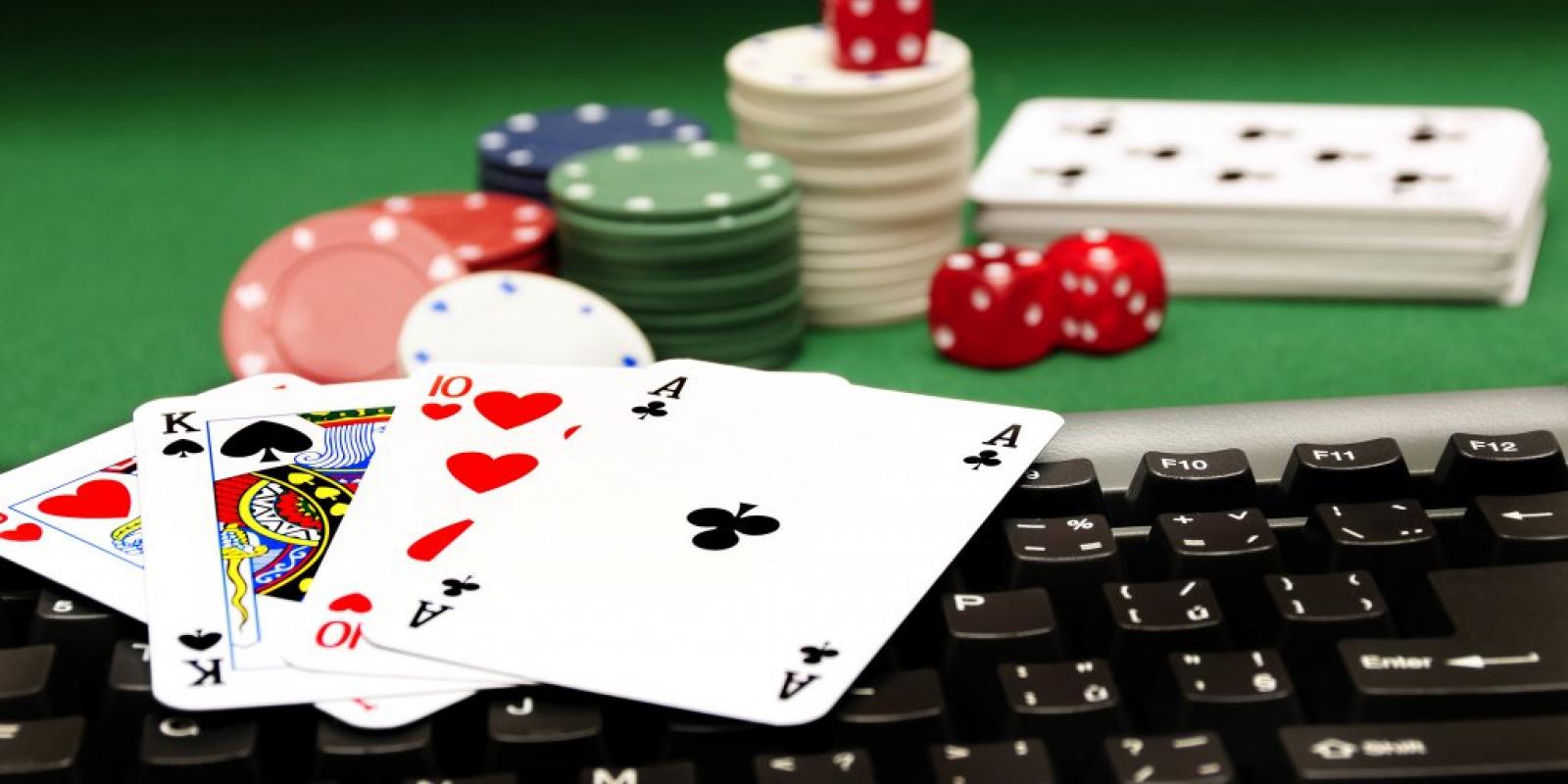
Self-discipline is closely tied to time management. If you’ve reached your pre-established time limit, it’s crucial to stick to it. Walking away at this point can give you the chance to reflect on your gambling habits and make better-informed choices in the future. This discipline will help you cultivate a healthier relationship with gambling and ensure that it remains a form of entertainment rather than an obsession.
The Role of Intuition and Instinct
Listening to your intuition is an often-underestimated skill in gambling. If a gut feeling tells you that it’s time to leave, it’s worth considering. Intuition often stems from a mix of past experiences and your current emotional state. Learning to trust this internal voice can guide you in making timely decisions that align with your overall well-being.
Your instincts may also warn you when you are no longer enjoying the experience. If gambling has started to feel like a chore rather than a fun activity, it’s likely time to step back. Recognizing these feelings can help in managing future sessions and allow you to return to the table with a fresh perspective and renewed enthusiasm.
Explore Responsible Gambling Resources
When it comes to responsible gambling, resources and support are available to help you make informed decisions. Websites like instant withdrawal online casino strive to provide safe gaming experiences while promoting responsible gambling practices. These resources can offer tips on money management and self-exclusion options for those who feel they may have lost control.
Utilizing these platforms not only enhances your knowledge but also fosters a healthier attitude toward gambling. Engaging with community forums and educational content can provide additional insights into maintaining control and understanding when to walk away. Exploring these resources can help you create a gambling plan that prioritizes enjoyment and responsibility.